Ten Years of Characters: What Design Taught Me About Storytelling
A character is a story you can see. Ten years in, that’s still the rule I design by.
share
date
18.03.2025
words
Zebraa
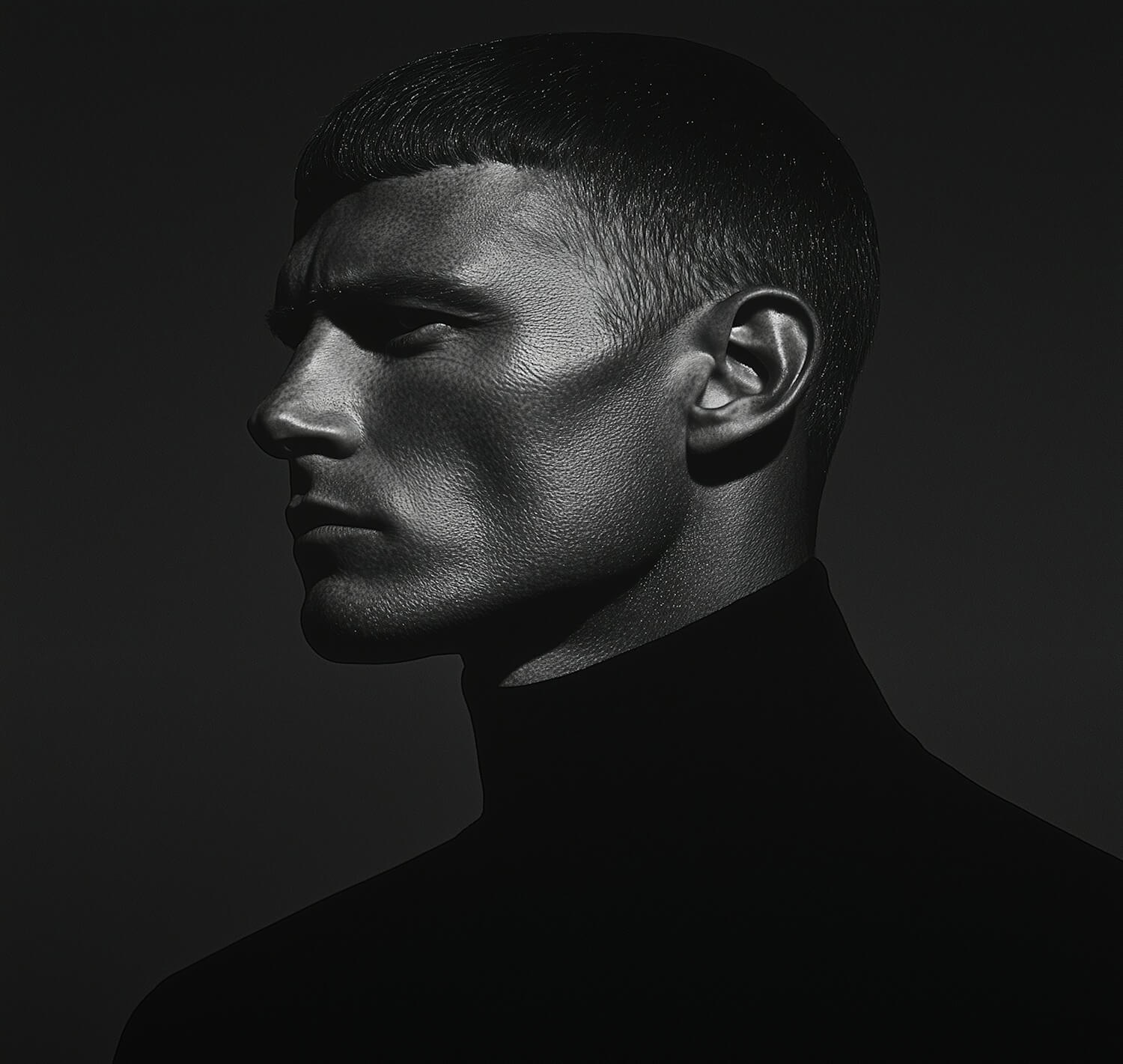
I’ve been designing characters for more than ten years, from production assets at Mammoth Studio to the one-off personalities of Miniclout. The tools have changed a lot. The core question hasn’t: who is this, and why should anyone care?
Start With a Story, Not a Mesh
It’s tempting to open 3ds Max and start pushing vertices. I’ve learned to resist that. Every character I build starts on paper with a few lines about who they are, where they come from and what they want. Those lines decide the silhouette, the posture and even the color palette.
Three Things Every Character Needs
Over the years I’ve boiled character design down to three essentials. If one is missing, no amount of render polish will save it.
Silhouette: A strong character is readable as a black shape. If you can’t recognize it in silhouette, the design isn’t finished.
Personality: Proportions, expression and pose should tell you how the character feels before it ever moves.
Color: A limited, intentional palette makes a character memorable and helps it stand out in busy scenes.
From Concept to Production
Once the story and sketches feel right, I move into modeling, texturing and lighting. At this stage the job is to protect the original idea. Every technical decision, from topology to shader, should serve the character rather than distract from it.
Why It Still Matters
Brands, games and Web3 projects all compete for a few seconds of attention. A character with real personality earns those seconds and keeps them.
That’s why I still sketch first and model second, even after a decade.
In upcoming notes I’ll share more about my process, from early concept work to final renders.